
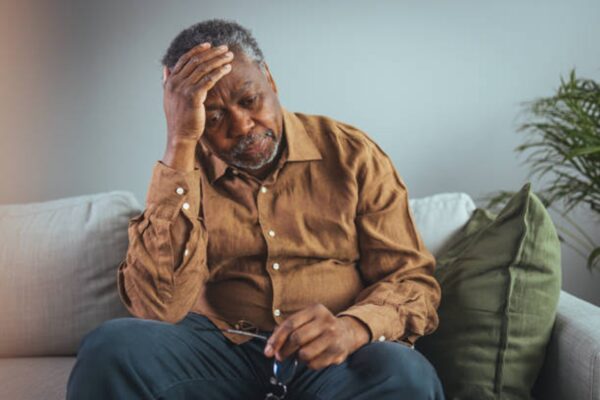
In many African households, boys grow up learning an unwritten rule: “Be strong. Men don’t cry. Toughen up.”
This mindset has been passed down through generations. On the surface, it builds resilient men; fathers, brothers, husbands; who work hard and carry many responsibilities without complaining. But behind closed doors, this same belief silently causes harm.
Across Kenya and Africa at large, many men face enormous pressures. They must provide for their families, handle financial struggles quietly, deal with heartbreak and disappointment alone, and wear a brave face no matter what they feel inside. Society praises them for their toughness but forgets that they are human too; with emotions, fears, and limits.
The painful truth is that countless men suffer in silence. Many turn to alcohol or harmful habits to escape the stress. Others hide their pain behind anger, conflict, or complete withdrawal from family life. Some reach a breaking point without ever asking for help.
It doesn’t have to be this way.
Breaking the Silence
In our communities, mental health remains a difficult topic; especially for men. Admitting that you are struggling emotionally is often seen as shameful or a sign of weakness. Yet true strength lies in acknowledging when you need support and finding the courage to seek it.
When men open up about their struggles, they protect not just themselves but also their families and communities. By talking, they show young boys that it’s normal to feel sad, tired, or overwhelmed; and that there is no shame in asking for help.
What Real Strength Looks Like
Being a man should not mean suffering alone. A strong man knows when to push through challenges; and when to pause, breathe, and ask for a listening ear. It takes courage to speak about feelings that society says you should hide. It takes bravery to heal.
We need to redefine what it means to be strong. Real strength is seeking help when you feel lost. Real strength is facing your fears and choosing healthy ways to cope. Real strength is knowing that your mental wellbeing is just as important as your physical health.
Where Mentorship Fits In
At eMentoring Africa, we have seen how mentorship can change lives; especially for men. Many men feel alone because they do not have a safe, judgment-free space to share their burdens. A mentor provides exactly that.
Mentors listen without criticizing. They guide without forcing. They share their own stories, making you feel understood. Sometimes, talking to someone who has walked a similar path is all it takes to find light in dark times.
Mentorship does not replace professional mental health support, but it creates a bridge. It makes it easier to talk about things you have hidden for too long. It reminds you that you are not alone.
What We Can Do Together
Ending the silence starts with small, everyday actions:
✔️ Talk to the men in your life. Check on your brothers, fathers, friends, and husbands. Ask how they truly feel and listen without judgement.
✔️ Create safe spaces. Whether at home, in the workplace, or in church, encourage open conversations about mental wellbeing.
✔️ Normalize seeking help. Remind the men around you that talking to a mentor, counselor, or doctor does not make them weak; it makes them wise.
✔️ Lead by example. If you are a man reading this, take the first step by opening up to someone you trust. Your story might inspire another man to do the same.
A New Kind of Manhood
“Man up” or “open up”; maybe the answer is both. We can raise a generation of men who are strong enough to handle life’s battles and wise enough to ask for help when they need it.
At eMentoring Africa, we are committed to being part of this change. Through structured mentorship, safe conversations, and community support, we help men find their voice, share their struggles, and build healthier lives. Let’s protect our men. Let’s break the silence. Let’s heal together.